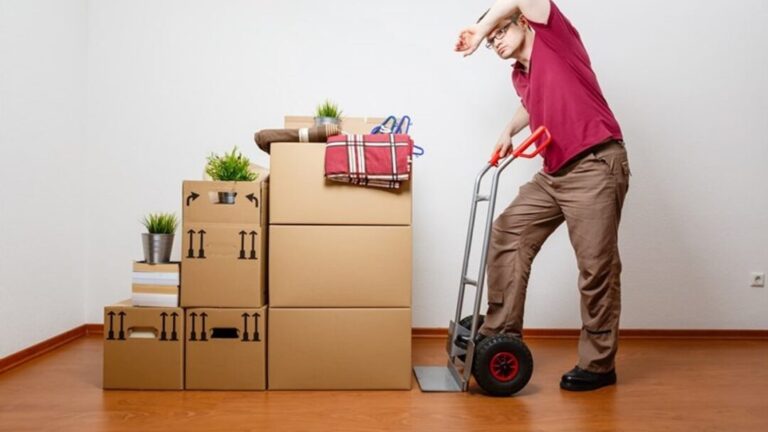
Understanding the Growing Need for Storage Solutions
In today’s fast-paced world, space has become one of the most valuable resources in both urban and suburban living. As people accumulate more belongings through life changes such as moving homes, downsizing, renovating, or even expanding families, the question of where to keep extra items becomes increasingly important. This is where the debate between using a storage facility and relying on home storage becomes highly relevant.
A storage facility offers an external, professionally managed space designed specifically for storing belongings securely. On the other hand, home storage refers to using available space within your house such as garages, attics, basements, spare rooms, or closets. Both options have their advantages and limitations, and choosing the right one depends on lifestyle, budget, and storage needs.
What is Home Storage and How Does It Work?
Home storage is the most common and convenient solution for many households. It involves utilizing unused or underused areas within your home to store items that are not needed on a daily basis.
Typical home storage spaces include garages, lofts, under-bed storage, wardrobes, and basement areas. Many people prefer home storage because it does not require additional costs beyond their existing housing expenses.
The biggest advantage of home storage is accessibility. Items are always within reach, and there is no need to travel or schedule access. However, this convenience comes with limitations such as space constraints, lack of climate control, and potential clutter buildup.
Over time, home storage can lead to disorganization, especially if items are not properly labeled or systematically arranged. In some cases, valuable living space gets sacrificed for storage purposes, which can affect comfort and functionality.
What is a Storage Facility and Why Do People Use It?
A storage facility is a dedicated commercial space designed to store personal or business belongings securely. These facilities offer units in different sizes, allowing users to rent space based on their specific needs.
One of the key advantages of a storage facility is security. Most modern facilities provide surveillance cameras, gated access, alarm systems, and individual locks to ensure that stored items remain safe.
Another major benefit is flexibility. Whether you need storage for a few weeks during a move or long-term storage for seasonal items, a storage facility offers adaptable rental plans.
Additionally, many storage facilities offer climate-controlled units, which help protect sensitive items such as electronics, wooden furniture, documents, and clothing from temperature and humidity damage.
Comparing Storage Facility and Home Storage
When deciding between a storage facility and home storage, several factors must be considered, including cost, convenience, space availability, and security.
Home storage is generally more cost-effective since it uses existing space. However, as storage needs grow, it can become impractical. A storage facility involves monthly rental costs, but it provides a dedicated, organized, and scalable solution.
In terms of convenience, home storage wins because items are immediately accessible. However, a storage facility offers better organization since items are stored separately from daily living spaces, reducing clutter at home.
Security is another important factor. A storage facility typically provides better protection compared to home storage, where items may be vulnerable to theft, fire, or environmental damage.
When Home Storage Makes More Sense
Home storage is ideal for individuals or families who have limited storage needs and enough space within their homes. It is especially useful for items that are used frequently but not daily, such as seasonal clothing, sports equipment, or holiday decorations.
It also makes sense for people who want to avoid additional monthly expenses. Since no rental fees are involved, home storage is budget-friendly for short-term or minimal storage requirements.
However, it is important to maintain proper organization to avoid clutter. Using shelves, storage bins, and labeling systems can help maximize efficiency in home storage spaces.
When a Storage Facility is the Better Choice
A storage facility becomes the better option when home space is insufficient or when long-term, secure storage is required. People who are relocating, renovating, or living in smaller apartments often rely on storage facilities to keep their belongings safe.
It is also beneficial for business owners who need extra space for inventory, documents, or equipment. In such cases, a storage facility provides a professional and scalable solution that home storage cannot match.
Additionally, individuals storing valuable or sensitive items often prefer a storage facility due to its enhanced security and environmental protection features.
Cost Considerations Between Both Options
Cost plays a major role in decision-making. Home storage may appear free, but it indirectly consumes valuable living space that could be used more effectively. For example, converting a garage into storage may reduce parking space or limit usable home areas.
A storage facility requires monthly payments, which vary based on size, location, and features such as climate control. While this is an added expense, it often provides better long-term value for those needing consistent storage space.
In many cases, people find that paying for a storage facility helps them maintain a more organized and spacious home environment, which can improve overall quality of life.
Organization and Lifestyle Impact
One of the most overlooked factors in this comparison is lifestyle impact. Home storage can easily become cluttered, leading to stress and reduced living comfort. Overcrowded spaces may also make it difficult to find items quickly.
A storage facility encourages better organization since items are stored externally and often categorized before being placed in storage units. This separation helps maintain a cleaner and more functional living environment at home.
For individuals who value minimalism or organized living, a storage facility can be a more effective long-term solution.
Final Thoughts: Which One Makes More Sense?
Choosing between home storage and a storage facility ultimately depends on individual needs and circumstances. Home storage is practical, cost-free, and convenient for small-scale storage. However, it has limitations in terms of space, organization, and long-term efficiency.
A storage facility, on the other hand, provides security, flexibility, and scalability, making it ideal for larger or more valuable storage needs. While it involves a monthly cost, the benefits often outweigh the expense for those requiring extra space or better protection for their belongings.
In conclusion, there is no one-size-fits-all answer. The right choice depends on how much space you need, how valuable your items are, and how important organization and convenience are in your daily life. For many people, a combination of both home storage and a storage facility offers the most balanced and effective solution.
