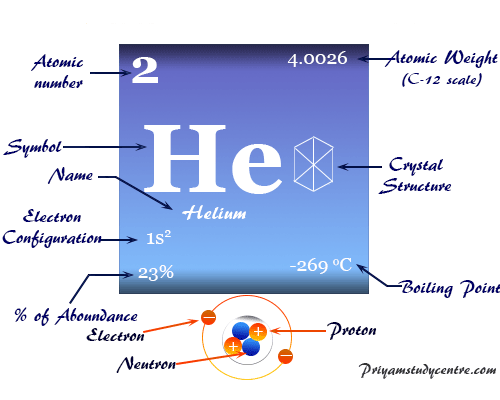
Helium is one of the most important specialty gases used in modern science, medicine, manufacturing, electronics, aerospace, and numerous advanced technologies. Although it is the second-lightest element and is widely known for its use in balloons, its industrial importance extends far beyond recreational applications. Because helium is nonflammable, chemically inert, and capable of reaching extremely low temperatures in liquid form, it plays a critical role in processes where other gases cannot provide the same performance. Understanding helium capacity therefore requires examining available resources, production infrastructure, processing technology, reserves, and the factors that influence future supply.
What Is Helium Capacity?
Helium capacity generally refers to the amount of helium that can potentially be produced, processed, stored, or supplied by a particular facility, region, or country. It is different from actual production because a facility may have the technical ability to produce a certain volume but operate below its maximum capacity because of market demand, maintenance, feed-gas availability, transportation limitations, or other commercial considerations.
Global helium capacity is influenced by the concentration of helium-bearing natural gas resources. Unlike many industrial gases, helium cannot simply be manufactured economically through conventional chemical processes. Commercial helium is primarily recovered from natural gas deposits where geological conditions have allowed helium to accumulate over extremely long periods.
The Relationship Between Helium Resources and Production
Helium resources and helium production are closely connected, but they are not the same thing. A country may possess substantial helium-bearing resources without having enough processing infrastructure to turn those resources into commercially available helium.
Natural gas containing helium must first be extracted from underground reservoirs. Specialized processing equipment then separates helium from other components of the gas stream. Depending on the concentration and characteristics of the feed gas, additional purification and refining steps may be required before the helium reaches the quality specifications required by industrial customers.
This means that global supply potential depends not only on geological resources but also on investment in wells, processing plants, purification systems, storage facilities, and transportation networks.
Major Factors That Influence Global Helium Capacity
Several factors determine how much helium can be produced and supplied to international markets.
Geological Availability
The first factor is the presence of helium-rich natural gas deposits. Helium is generated naturally through radioactive decay in rocks and can migrate into underground formations over geological timescales. Commercial deposits are relatively uncommon, making the geographic distribution of helium resources an important consideration for global supply.
Helium Concentration
The concentration of helium in natural gas affects the economics of recovery. Higher concentrations can make extraction and purification more commercially attractive, while lower concentrations may require larger processing volumes and more sophisticated technology.
Processing Infrastructure
Even when suitable resources are available, production requires specialized infrastructure. Separation and purification equipment must be designed to recover helium efficiently while handling the other gases present in the natural gas stream.
Investment and Development
Developing a new helium resource can require significant capital investment. Exploration, drilling, processing facilities, pipelines, purification systems, storage, and transportation infrastructure all contribute to project costs. The availability of financing and long-term customer demand can therefore influence whether potential resources become operating production assets.
Why Helium Production Matters
Helium production is important because helium has several properties that make it difficult to replace in certain applications. It has an extremely low boiling point, remains chemically inert under normal conditions, and can provide a very cold environment for specialized equipment.
One of its most important applications is cooling superconducting magnets. Magnetic resonance imaging systems, scientific research equipment, and other technologies may depend on extremely low temperatures to operate effectively.
Helium is also used in semiconductor manufacturing, fiber-optic production, leak detection, laboratory research, aerospace systems, welding applications, and specialized manufacturing processes. In these industries, consistent access to high-purity helium can be more important than the volume used in everyday consumer applications.
Global Supply Potential
The future of global helium supply depends on a combination of existing production and new resource development. Existing producers provide much of the current market supply, while new projects can potentially increase supply diversity and reduce dependence on a limited number of sources.
Countries with helium-bearing natural gas resources may have opportunities to develop new production capacity when economic and technical conditions support investment. However, resource development is not instantaneous. Projects can require years of exploration, construction, commissioning, and production ramp-up.
Global supply potential should therefore be viewed as a combination of currently operating capacity, planned projects, undeveloped resources, and technically recoverable reserves.
The Importance of Purity and Processing
Not all helium is suitable for every application. Some industrial processes require high-purity helium, meaning that contaminants must be removed through additional purification stages.
Processing technology has therefore become an important part of helium capacity. A region may have access to helium-bearing gas but still require additional infrastructure to produce helium that meets demanding specifications.
Advanced purification technologies can improve recovery rates and help producers make better use of available resources. Improvements in processing efficiency may increase effective supply without requiring an equivalent increase in raw natural gas extraction.
Storage and Transportation
Helium supply is also affected by logistics. Once helium has been processed and purified, it must be stored and transported to customers. Helium can be distributed in compressed gas form or transported as liquid helium when suitable infrastructure is available.
Liquid helium requires extremely low temperatures, making specialized storage and transportation equipment necessary. These logistical requirements add another layer to global supply management.
Strategic storage can also help manage temporary disruptions. Maintaining inventories allows suppliers and customers to respond to maintenance periods, transportation delays, production interruptions, or unexpected changes in demand.
Demand From Advanced Technologies
Demand for helium is closely associated with technological development. Medical imaging, semiconductor manufacturing, scientific research, aerospace applications, and other advanced industries can create sustained demand for high-quality helium.
As these sectors expand, the need for reliable helium supply may increase. At the same time, companies are continually exploring ways to improve helium recovery, reduce waste, recycle helium, and optimize consumption.
Helium recycling is particularly important in applications where the gas can be captured and reused. Recycling does not create new helium resources, but it can reduce the amount of newly produced helium required to support certain operations.
Challenges Facing Future Helium Capacity
The helium industry faces several challenges. Geological resources are unevenly distributed, new projects can take substantial time to develop, and processing requires specialized technology. Supply chains can also be affected by infrastructure limitations and changes in natural gas production.
Another challenge is that helium is a finite natural resource at the surface level. Once released into the atmosphere, helium is extremely light and can eventually escape Earth’s atmosphere. This makes responsible use, recovery, and recycling particularly valuable.
Market conditions can also affect investment. If prices, demand expectations, or project economics change, companies may delay or modify development plans.
Building a More Resilient Helium Supply
Increasing supply resilience requires attention to several areas. Developing new helium resources can expand production options, while improving recovery technology can increase output from existing natural gas streams. Diversifying production across multiple regions can also reduce dependence on individual suppliers.
At the customer level, efficient equipment and helium recovery systems can help reduce unnecessary consumption. Better inventory management and strategic storage can provide additional protection against temporary disruptions.
Looking Ahead
Helium capacity is ultimately determined by more than the amount of helium underground. Geological resources must be combined with economically viable extraction, advanced processing, reliable infrastructure, investment, transportation, and stable demand.
Future helium production is likely to depend on a balance between developing new resources and using existing supplies more efficiently. Technological improvements, recycling systems, improved purification methods, and diversified production projects can all contribute to a more flexible supply chain.
Understanding global helium capacity provides valuable insight into the long-term availability of this specialized resource. As medical technology, electronics, scientific research, aerospace, and other advanced industries continue to evolve, reliable helium supply will remain an important component of the global industrial landscape.
