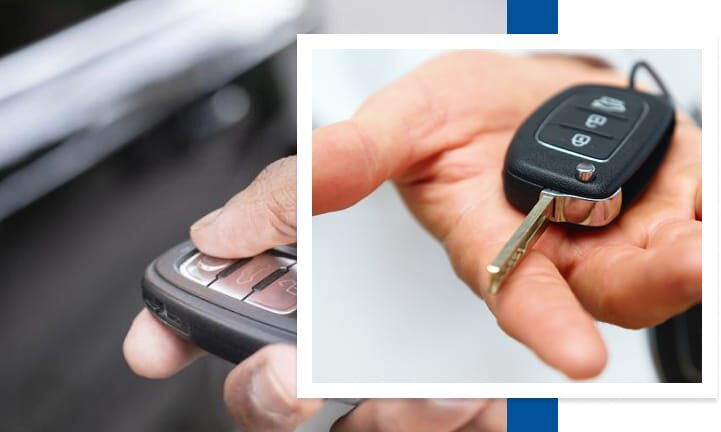
Owning a Volkswagen comes with the benefit of reliable engineering, comfortable driving, and modern technology. However, like any vehicle component, the key can eventually develop problems. A Volkswagen key is more than a simple device for opening a car door. Depending on the model and year, it may include a remote locking system, transponder chip, keyless entry features, and other electronic functions that communicate with the vehicle.
When a key stops working properly, the problem can be frustrating, especially if you are unable to unlock the vehicle or start the engine. Fortunately, many common key problems have practical solutions. Understanding the possible causes can help Volkswagen owners identify the issue and determine when professional assistance is needed.
Key Fob Battery Problems
One of the most common reasons a Volkswagen key stops responding is a weak or completely depleted battery. The remote may become less responsive before the battery finally runs out. Owners might notice that they need to press the buttons several times or stand closer to the vehicle for the remote to work.
Replacing the battery is usually a straightforward solution. The correct battery type depends on the specific key design, so owners should check the vehicle documentation or existing battery before purchasing a replacement. When replacing it, handle the electronic components carefully and make sure the new battery is installed in the correct orientation.
If the remote still does not work after a fresh battery has been installed, the issue may involve the key’s electronics or synchronization rather than the battery itself.
Damaged or Worn Volkswagen Keys
Frequent use can cause physical wear to a Volkswagen key. Traditional metal blades may become worn, bent, or damaged, making it difficult to insert or turn the key smoothly. Buttons on remote keys can also become worn after years of use.
A damaged key should not be forced into the ignition or door lock. Excessive pressure can potentially cause additional damage to the lock mechanism. Depending on the condition, a professional locksmith may be able to cut a replacement blade or provide a new key housing.
Replacing a worn key before it completely fails can be a practical way to avoid an inconvenient emergency later.
Volkswagen Key Not Starting the Car
Another common issue occurs when the key appears to work for locking and unlocking the vehicle but does not allow the engine to start. This can be related to the vehicle’s immobilizer system.
Modern Volkswagen vehicles commonly use electronic identification technology to confirm that an authorized key is being used. If the vehicle cannot properly recognize the transponder information, the engine may not start even though the physical key or remote buttons appear normal.
In this situation, changing the remote battery may not solve the problem because the issue involves communication between the key and the vehicle. A qualified automotive locksmith or Volkswagen service professional can diagnose the key and determine whether programming, repair, or replacement is necessary.
Lost Volkswagen Key
Losing a car key is one of the most stressful situations for any vehicle owner. If there is a spare key available, it can provide immediate access to the vehicle while a replacement is arranged. However, owners should avoid delaying replacement if the lost key may have been stolen or found by someone else.
A professional can create a replacement key and, when appropriate, program it to work with the vehicle. Some situations may require proof of ownership and specific vehicle information before key services can be provided.
Having a spare Volkswagen key stored in a secure and accessible location can significantly reduce the inconvenience of future key loss.
Key Fob Buttons Stop Working
Sometimes the key still starts the vehicle, but the remote buttons no longer lock or unlock the doors. This can indicate a depleted battery, damaged buttons, internal electronic damage, or a synchronization issue.
Before assuming that the entire key needs to be replaced, check the battery and inspect the key for visible damage. If the buttons have been exposed to moisture or the key has suffered a strong impact, internal components may have been affected.
Professional diagnosis can help determine whether repairing the existing key is possible or whether replacement is the more practical option.
Water or Moisture Damage
Electronic car keys are vulnerable to moisture. Accidentally washing a key with clothing, dropping it into water, or exposing it to heavy rain can cause electronic components to malfunction.
If a key becomes wet, avoid repeatedly pressing its buttons because this may worsen electrical problems. Keep it away from additional moisture and seek professional advice if the remote stops functioning.
Water damage can sometimes be repaired, but the success of repair depends on how severely the internal electronics have been affected.
Key Synchronization Issues
A remote key may occasionally lose synchronization with the vehicle. When this happens, the physical key may still work while the remote locking functions do not.
The correct synchronization procedure varies according to the Volkswagen model and key system. Owners should consult the vehicle’s official documentation rather than relying on an unverified procedure for a different model.
If synchronization does not restore operation, professional diagnostic equipment may be required to identify the underlying issue.
When a Replacement Key Is Necessary
Not every key problem can be solved by replacing a battery or repairing a button. A replacement may be necessary if the key has severe physical damage, failed electronic components, or cannot reliably communicate with the vehicle.
When obtaining a replacement, it is important to choose a compatible key rather than purchasing a generic product based only on appearance. Volkswagen models can use different key designs and electronic systems, so compatibility matters.
A qualified automotive locksmith can help identify the appropriate replacement and, where supported, program it for the vehicle.
Preventing Common Key Problems
Simple habits can extend the useful life of a Volkswagen key. Keep the key away from water, excessive heat, and unnecessary impact. Avoid placing heavy objects on the key when it is inside a pocket or bag. If the key has a protective case, make sure the case does not interfere with the buttons or key blade.
Owners should also pay attention to early warning signs. A remote that works only occasionally, buttons that require excessive pressure, or a key that feels loose can indicate an issue that should be addressed before complete failure occurs.
Keeping a spare key is another valuable precaution. Although obtaining one may involve an upfront cost, it can be much more convenient than dealing with a lost or completely nonfunctional key when there is no backup available.
Choosing Professional Key Assistance
Volkswagen key systems can involve mechanical and electronic components, making some problems more complicated than they initially appear. Attempting to dismantle or reprogram a key without the appropriate knowledge can result in additional damage.
A qualified automotive locksmith or appropriate vehicle service professional can inspect the key, identify the likely cause, and recommend a suitable solution. Professional assistance is particularly useful when programming, immobilizer communication, replacement keys, or electronic faults are involved.
Conclusion
A Volkswagen key can experience several common problems, including weak batteries, damaged buttons, worn key blades, synchronization issues, moisture damage, lost keys, and immobilizer-related faults. While simple battery replacement may resolve some problems, more complicated issues can require professional diagnosis and programming.
Volkswagen owners can reduce the likelihood of unexpected key failure by protecting their keys from moisture and physical damage, replacing weak batteries promptly, and keeping a reliable spare. Recognizing early warning signs and seeking appropriate assistance can make key problems easier to resolve while helping owners get back on the road with minimal disruption.
