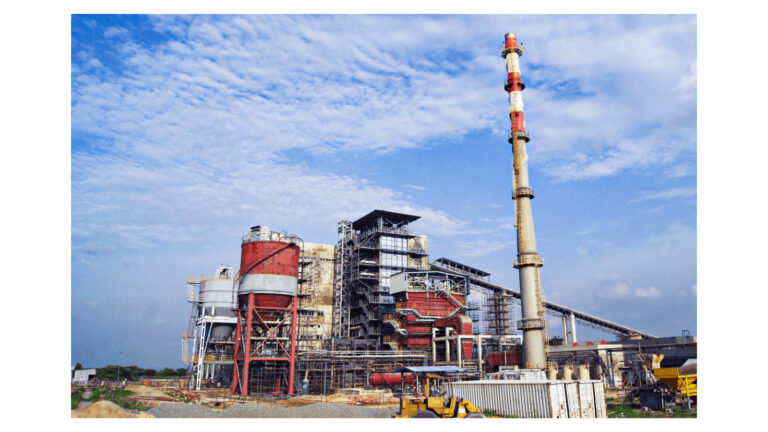
Modern power plants and industrial facilities are evolving rapidly to meet stricter environmental regulations, higher efficiency demands, and improved operational reliability. At the center of these changes is the chimney of boiler island systems, which plays a critical role in safe flue gas discharge, environmental compliance, and overall plant performance. As boiler islands become more compact, efficient, and technologically advanced, chimney systems must also adapt to meet new challenges.
This article explores the latest innovations in chimney technology for modern boiler islands, highlighting materials, design strategies, environmental solutions, monitoring systems, and structural advancements that are shaping the future of industrial exhaust systems.
Understanding the Role of the Chimney in Boiler Islands
A boiler island typically includes the boiler, combustion system, heat recovery components, and associated equipment required for steam generation. The chimney of boiler island is responsible for safely discharging flue gases into the atmosphere at a height that ensures proper dispersion and minimal environmental impact.
In traditional systems, chimneys were simple vertical stacks made of reinforced concrete or steel. Today, they are engineered structures designed to handle high temperatures, corrosive gases, pressure variations, and dynamic loads such as wind and seismic forces. They are also integrated with emission control systems like scrubbers, selective catalytic reduction (SCR) units, and electrostatic precipitators.
Advanced Materials for Enhanced Durability
Corrosion-Resistant Liners
One of the most significant innovations in chimney design is the use of advanced corrosion-resistant liners. Modern boiler systems often operate with low-sulfur fuels or incorporate flue gas desulfurization (FGD) units, which can create highly corrosive condensates. To combat this, chimneys now feature materials such as fiberglass-reinforced plastic (FRP), high-grade stainless steel alloys, and specialized coatings.
These liners protect the structural shell of the chimney of boiler island, extending service life and reducing maintenance costs. In many cases, modular liner systems allow for easier replacement and inspection, improving plant uptime.
Composite and Hybrid Structures
Traditional concrete chimneys are increasingly being replaced or supplemented with composite and hybrid designs. These structures combine steel shells with internal liners and insulation layers. The result is a lighter, more flexible system that can better accommodate thermal expansion and contraction.
Hybrid chimneys offer improved resistance to chemical attack and temperature fluctuations, making them ideal for modern high-efficiency boilers that operate under varying load conditions.
Aerodynamic and Structural Innovations
Optimized Flue Gas Flow
Computational Fluid Dynamics (CFD) modeling has revolutionized chimney design. Engineers now use CFD simulations to optimize flue gas flow within the chimney of boiler island systems. This ensures uniform velocity profiles, reduces turbulence, and minimizes pressure losses.
Improved flow dynamics enhance the efficiency of upstream equipment such as fans and emission control devices. They also reduce the risk of vibration-induced damage caused by uneven gas distribution.
Wind-Resistant and Seismic Designs
Modern chimneys are designed to withstand extreme weather conditions and seismic events. Advanced structural analysis tools allow engineers to model wind loads, vortex shedding effects, and earthquake forces with high accuracy.
Innovations such as tuned mass dampers and aerodynamic shaping help reduce oscillations and structural fatigue. This is especially important for tall chimneys in coastal or high-wind regions, where environmental loads can significantly impact long-term reliability.
Integration with Emission Control Technologies
Support for Carbon Capture Systems
As industries move toward decarbonization, carbon capture and storage (CCS) technologies are being integrated into boiler islands. The chimney of boiler island must now accommodate modified flue gas compositions and additional ductwork associated with carbon capture units.
Innovative chimney designs include flexible inlet configurations and modular expansion capabilities to adapt to future retrofits. This forward-thinking approach ensures that plants remain compliant with evolving environmental standards.
Enhanced Monitoring of Emissions
Continuous Emission Monitoring Systems (CEMS) are now standard in modern boiler islands. Chimneys are equipped with advanced sensors that measure parameters such as particulate matter, sulfur dioxide, nitrogen oxides, and carbon dioxide levels.
Integrated monitoring ports and access platforms are designed directly into the chimney structure, ensuring accurate data collection and easier maintenance. These innovations improve transparency, regulatory compliance, and environmental performance.
Thermal Efficiency and Energy Recovery
Heat Recovery Integration
In some advanced systems, residual heat from flue gases is recovered before discharge. This reduces stack temperature and improves overall plant efficiency. The chimney of boiler island must be carefully engineered to handle lower gas temperatures, which can increase the risk of condensation and corrosion.
Innovations such as improved insulation systems and double-wall chimney designs help maintain optimal internal temperatures while preventing moisture-related damage.
Reduced Pressure Drop
Modern chimneys are designed to minimize pressure drop, reducing the energy required by induced draft fans. Smooth internal surfaces, optimized diameters, and streamlined inlet transitions all contribute to lower operational costs.
These design improvements not only enhance efficiency but also reduce greenhouse gas emissions associated with auxiliary power consumption.
Smart Monitoring and Predictive Maintenance
Real-Time Structural Health Monitoring
Digital transformation has extended to chimney systems. Sensors embedded in the chimney of boiler island can monitor temperature, strain, vibration, and corrosion levels in real time.
Data collected from these sensors is transmitted to centralized control systems, allowing operators to detect anomalies early. Predictive maintenance strategies can then be implemented, preventing costly downtime and structural failures.
Drone-Based Inspections
Traditional chimney inspections required scaffolding or rope access, both of which were time-consuming and expensive. Today, drones equipped with high-resolution cameras and thermal imaging devices can inspect chimney interiors and exteriors quickly and safely.
This innovation significantly reduces inspection costs while improving safety and accuracy. It also allows for more frequent inspections, ensuring that potential issues are addressed promptly.
Environmental and Aesthetic Considerations
Improved Dispersion Modeling
Advanced atmospheric dispersion modeling ensures that emissions released from the chimney of boiler island meet environmental standards and minimize impact on surrounding communities. Engineers use sophisticated software to determine optimal chimney height and diameter for effective pollutant dispersion.
These models account for local topography, weather patterns, and nearby structures, ensuring compliance with air quality regulations.
Architectural Enhancements
In urban or industrial parks, chimney aesthetics are increasingly important. Modern chimneys can be designed with architectural cladding, color treatments, and lighting systems that blend with the surrounding environment.
This focus on visual integration reflects a broader trend toward sustainable and community-friendly industrial design.
Modular Construction and Faster Installation
Prefabricated Components
Modular construction techniques have streamlined chimney installation. Prefabricated sections of the chimney of boiler island are manufactured off-site and assembled on location. This approach reduces construction time, improves quality control, and minimizes site disruptions.
Modular systems also simplify future upgrades or modifications, making them ideal for facilities planning phased expansions.
Reduced Footprint Designs
Space constraints in modern industrial facilities have led to more compact chimney solutions. Multi-flue chimneys, for example, allow multiple boilers to share a single structural shell while maintaining separate liners.
This design reduces land use, construction materials, and overall project costs without compromising performance or safety.
Safety Enhancements in Modern Chimneys
Safety remains a top priority in chimney design. Innovations include improved access ladders, safety platforms, fall protection systems, and lightning protection technologies.
Fire-resistant materials and advanced insulation systems further enhance operational safety. Additionally, automated damper systems can isolate sections of the chimney of boiler island during emergencies, preventing the spread of fire or hazardous gases.
The Future of Chimney Technology
Looking ahead, chimney technology will continue to evolve alongside advances in boiler and power generation systems. Trends such as hydrogen co-firing, biomass combustion, and waste-to-energy processes will require even more specialized chimney solutions.
Smart materials capable of self-healing minor cracks, AI-driven monitoring platforms, and fully integrated digital twins of chimney structures are likely to become standard features in next-generation facilities.
The chimney of boiler island will remain a critical component in ensuring safe, efficient, and environmentally responsible plant operation. As industries strive for carbon neutrality and higher efficiency, chimney innovations will play a key role in supporting these goals.
Conclusion
Innovations in chimney technology have transformed the role of the chimney of boiler island from a simple exhaust structure into a highly engineered, intelligent system. Advanced materials, optimized structural designs, integrated monitoring technologies, and environmental enhancements have significantly improved performance, durability, and compliance.
As modern boiler islands continue to evolve, chimney systems will adapt to meet new challenges in sustainability, efficiency, and safety. By embracing cutting-edge technologies and forward-looking design strategies, industries can ensure that their chimney systems remain reliable and future-ready for decades to come.
