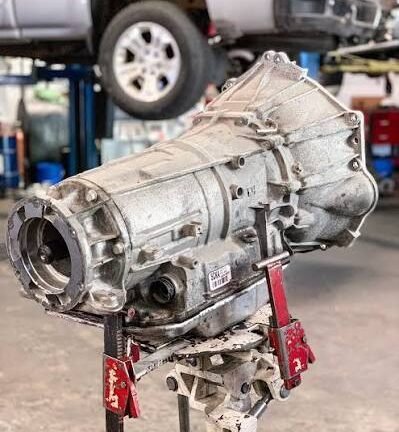
A vehicle’s transmission plays a vital role in transferring engine power to the wheels and allowing the vehicle to change gears smoothly. When the transmission develops serious problems, driving can become difficult, unsafe, and expensive. Searching for transmission replacement near me is often the first step for drivers who experience slipping gears, unusual noises, delayed acceleration, or other signs of transmission failure.
However, replacing a transmission is a significant automotive repair that requires careful planning. Understanding the available services, estimated costs, and qualities of a reliable mechanic can help you make an informed decision. Whether you drive a manual or automatic vehicle, choosing the right repair shop can save money, reduce stress, and help keep your car dependable for years to come.
Understanding When Transmission Replacement Is Necessary
Transmission problems can develop gradually or appear suddenly. Some issues can be repaired without replacing the entire unit, while others may require a complete replacement or professional rebuilding.
Recognizing common warning signs can help you seek assistance before the problem becomes more serious.
Difficulty Changing Gears
If your vehicle struggles to shift between gears, changes gears unexpectedly, or refuses to engage a particular gear, the transmission may have an internal problem. In manual vehicles, difficulty shifting can also be related to the clutch system or other components.
A qualified mechanic should inspect the vehicle to determine the actual cause before recommending replacement.
Slipping Gears and Delayed Acceleration
Transmission slipping occurs when the selected gear does not remain properly engaged. Drivers may notice that the engine revs higher than usual without a corresponding increase in speed. Delayed engagement when selecting Drive or Reverse can also indicate a problem.
These symptoms may result from low transmission fluid, worn components, hydraulic issues, or internal damage. Early diagnosis can sometimes prevent more extensive repairs.
Unusual Noises and Fluid Leaks
Grinding, whining, clunking, or other unfamiliar sounds may indicate transmission trouble. Red or brown fluid beneath a vehicle can also suggest a leak, although fluid color varies depending on the transmission fluid type and condition.
If the vehicle makes severe noises, loses drive, or behaves unpredictably, stop driving when it is safe to do so and arrange professional assistance.
How Much Does Transmission Replacement Cost?
The cost of transmission replacement depends on several factors, including the vehicle’s make and model, transmission type, parts availability, labor rates, and the extent of the damage.
For many passenger vehicles in the United States, a replacement may cost approximately $2,500 to $6,000 or more. Certain luxury vehicles, specialized models, and modern vehicles with complex transmissions can cost considerably more. These figures are general estimates rather than guaranteed prices.
Factors That Affect Replacement Costs
Vehicle make and model: Some vehicles use transmissions that are readily available, while others require expensive specialized components.
Transmission type: Automatic, manual, continuously variable (CVT), and dual-clutch transmissions have different designs and repair requirements. Their replacement costs can vary significantly.
New, remanufactured, or used parts: A new transmission may provide the reassurance of unused components but can be expensive. A remanufactured unit has undergone a rebuilding process and may offer a balance between cost and reliability. A used transmission can have a lower purchase price, but its history and remaining service life may be uncertain.
Labor charges: Transmission replacement involves substantial labor because the unit must be removed, installed, and tested. Labor costs vary by location and vehicle complexity.
Additional repairs: Damaged mounts, cooling components, sensors, seals, or other related parts may increase the final bill.
Always request an itemized estimate that separates parts, labor, fluids, diagnostic charges, and any additional work.
Transmission Replacement Services to Consider
When searching online for transmission replacement near me, you may find repair shops offering several different services. Understanding these options makes it easier to select the right solution.
Complete Transmission Replacement
Complete replacement involves removing the damaged transmission and installing another compatible unit. This option may be suitable when internal damage is extensive or repairing the existing unit is not practical.
Before approving the work, ask whether the replacement unit is new, used, or remanufactured and whether it includes a warranty.
Transmission Rebuilding
A transmission rebuild involves disassembling the existing unit, inspecting its internal components, and replacing worn or damaged parts. The mechanic then reassembles and tests the transmission.
Rebuilding can be a practical alternative when the transmission housing and major components remain suitable for reuse. However, the final cost depends on the damage discovered during inspection.
Transmission Diagnostics and Repair
Not every transmission problem requires replacement. A diagnostic service may identify issues involving fluid levels, electronic sensors, wiring, solenoids, leaks, or other components.
Minor repairs may restore proper operation at a lower cost than installing an entirely different transmission. A trustworthy shop should explain the diagnosis and compare realistic repair options before recommending an expensive replacement.
Tips for Choosing the Right Transmission Mechanic
Selecting a qualified mechanic is just as important as choosing the replacement transmission. The right repair professional should provide accurate information, clear pricing, and dependable workmanship.
Check Experience and Specialization
Look for a repair shop with experience servicing your vehicle’s make, model, and transmission type. Some mechanics specialize in automatic transmissions, while others focus on manual gearboxes or particular vehicle manufacturers.
Ask whether the shop regularly performs complete replacements and whether its technicians have the necessary diagnostic equipment.
Read Customer Reviews
Online reviews can provide useful information about a shop’s communication, pricing transparency, repair quality, and customer service. Look for consistent patterns across multiple reviews instead of relying on one unusually positive or negative comment.
You can also ask friends, family members, or colleagues to recommend a transmission specialist they trust.
Compare Written Estimates
Getting estimates from two or three reputable repair shops can help you understand the likely cost and available options. Make sure each estimate covers comparable services, including parts, labor, fluids, programming, and warranty terms.
The cheapest quote is not always the best choice. An unusually low price may exclude important services or involve parts with an uncertain history.
Ask About Warranties
A transmission replacement is a substantial investment, so warranty coverage deserves careful attention. Ask how long the warranty lasts, what components it covers, and whether labor is included if another problem develops.
Clarify whether the warranty requires maintenance at a particular shop and whether it remains valid if you travel outside the local area.
Evaluate Communication and Transparency
A reliable mechanic should explain the problem in understandable language, provide evidence supporting the diagnosis, and answer your questions without unnecessary pressure.
Be cautious if a shop recommends complete replacement without inspecting the vehicle or refuses to explain the difference between rebuilding and replacing the transmission.
Questions to Ask Before Approving a Replacement
Before authorizing the repair, ask the mechanic several important questions:
- What caused the transmission to fail?
- Is rebuilding or repairing the existing unit a reasonable alternative?
- Is the replacement transmission new, used, or remanufactured?
- Does the estimate include installation, fluids, programming, and testing?
- How long is the repair expected to take?
- What warranty applies to the parts and labor?
- Will the shop provide the final invoice and maintenance recommendations?
Clear answers help you understand what you are paying for and reduce the possibility of unexpected expenses.
How to Maintain Your Transmission After Replacement
Proper maintenance can help protect your investment and support reliable vehicle operation.
First, follow the manufacturer’s maintenance schedule for transmission fluid inspection and servicing. Always use the fluid specification recommended for your vehicle, because incorrect fluid can cause operational problems or damage.
Second, pay attention to new warning signs. Unusual noises, fluid leaks, shifting difficulties, or dashboard warning lights should be investigated promptly.
Third, avoid overloading your vehicle beyond its rated capacity. If your vehicle is used for towing, follow the manufacturer’s towing guidelines and maintenance recommendations.
Finally, keep records of transmission services, fluid changes, repairs, and warranty documents. These records help technicians understand the vehicle’s history and may be valuable when selling it later.
Conclusion
Finding dependable transmission replacement near me involves more than locating the closest automotive repair shop. It requires understanding the symptoms of transmission failure, comparing replacement and rebuilding options, evaluating costs, and choosing a mechanic with relevant experience.
Before making a decision, obtain a professional diagnosis, request a detailed written estimate, and review warranty coverage carefully. A reputable mechanic will explain the available solutions and help you choose an option that suits your vehicle and budget.
With informed decision-making and consistent maintenance, you can improve your chances of receiving a reliable repair and enjoying smoother, more dependable driving for the miles ahead.
