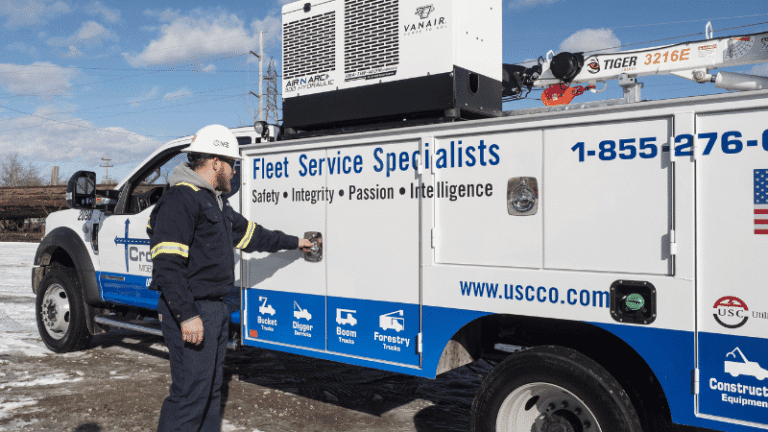
Maintaining a fleet of vehicles requires efficiency, reliability, and the right tools. One of the most essential tools for any fleet maintenance operation is a high-quality air compressor. Using an air compressor for fleet maintenance can improve productivity, reduce downtime, and ensure that vehicles remain in top working condition. However, not all air compressors are created equal. Understanding the essential features of the best models can help fleet managers choose equipment that meets both their operational needs and budget.
Durability and Build Quality
Fleet maintenance operations are demanding, often involving extended hours of work and frequent use of equipment. The best air compressor for fleet maintenance should be built to withstand these conditions. Look for compressors made from high-grade metals with robust construction. Industrial-grade steel tanks, heavy-duty hoses, and reinforced fittings are indicators of durability.
A durable air compressor ensures longevity, which is critical for fleet maintenance. Frequent replacements or repairs can lead to significant downtime and increased operational costs. Therefore, investing in a compressor designed for heavy-duty work is essential for maintaining an efficient maintenance schedule.
Adequate Airflow and Pressure
One of the most critical factors in selecting an air compressor for fleet maintenance is its airflow capacity and pressure rating. Measured in cubic feet per minute (CFM) and pounds per square inch (PSI), these specifications determine how effectively the compressor can handle multiple tools simultaneously.
Fleet maintenance often requires using air tools such as impact wrenches, tire inflators, spray guns, and pneumatic ratchets. If the compressor cannot deliver consistent airflow and pressure, the tools will operate inefficiently, slowing down maintenance tasks. A compressor with adjustable pressure settings allows technicians to optimize performance for different applications, from inflating tires to operating high-demand pneumatic tools.
Portability and Mobility
Maintenance operations may take place across a large garage, a workshop, or even on-site at fleet locations. Therefore, portability is an important consideration for the best air compressor for fleet maintenance. Models with wheels, compact frames, and ergonomic handles enable easy movement between vehicles or service bays.
For larger fleet operations, stationary compressors may be more suitable. However, having a portable option for minor repairs or emergency tasks can significantly improve operational efficiency. Choosing a model with both stationary and mobile capabilities is ideal for comprehensive fleet maintenance.
Energy Efficiency
Energy efficiency is becoming increasingly important in industrial operations, including fleet maintenance. An air compressor for fleet maintenance should deliver maximum performance while consuming minimal power. Look for models with energy-saving motors, variable speed drives, or automatic shut-off features.
Efficient compressors not only reduce electricity costs but also contribute to sustainable operations. For fleet managers, this can translate to significant savings over time, especially when multiple compressors are in use daily. Energy-efficient compressors often run cooler and quieter, improving the overall work environment in the maintenance facility.
Noise Levels
Fleet maintenance environments can be noisy due to multiple tools, machinery, and vehicle engines. Adding a loud air compressor to this mix can make the workspace uncomfortable or even unsafe. Therefore, the noise level of an air compressor for fleet maintenance is an important feature to consider.
Modern compressors often come with noise-reduction technology, including sound-dampening enclosures, quieter motors, and insulated tanks. Low-noise compressors ensure that maintenance staff can work comfortably without the need for extensive hearing protection, enhancing productivity and safety.
Maintenance and Serviceability
Even the best compressors require routine maintenance to operate efficiently. When selecting an air compressor for fleet maintenance, consider models that are easy to service. Features such as accessible oil reservoirs, quick-change filters, and modular components simplify maintenance tasks.
Regular maintenance extends the lifespan of the compressor and prevents unexpected breakdowns that could disrupt fleet operations. Some advanced models offer digital monitoring systems that alert technicians to potential issues, such as overheating, low oil levels, or pressure inconsistencies, making preventative maintenance easier to manage.
Tank Size and Storage Capacity
The size of the air tank plays a critical role in determining how long a compressor can run without cycling on and off. For fleet maintenance, larger tanks are generally preferred because they provide a steady airflow for extended periods, reducing interruptions during work.
When choosing an air compressor for fleet maintenance, it’s important to balance tank size with workspace constraints. A larger tank may provide more capacity but can be heavier and less portable. Understanding the types of maintenance tasks and tools used will help determine the optimal tank size for your operation.
Versatility and Tool Compatibility
Fleet maintenance requires a range of pneumatic tools for different tasks. The best air compressor for fleet maintenance should be compatible with multiple tools without sacrificing performance. Look for compressors with adjustable PSI, multiple outlets, and the ability to support high-demand equipment.
Versatility ensures that technicians can handle various tasks—from tire inflation and brake servicing to painting and metalwork—without the need for multiple compressors. This not only saves money but also simplifies workflow and storage requirements.
Safety Features
Safety is a top priority in fleet maintenance. High-quality compressors come with built-in safety features to protect both the operator and the equipment. These may include automatic shut-off valves, thermal overload protection, pressure relief valves, and non-slip feet.
Using an air compressor for fleet maintenance with reliable safety mechanisms reduces the risk of accidents and equipment damage. It also ensures compliance with workplace safety regulations, protecting your team and your investment.
Conclusion
Selecting the best air compressor for fleet maintenance requires careful consideration of several key features. Durability, adequate airflow, portability, energy efficiency, noise control, maintenance accessibility, tank size, tool compatibility, and safety features all play a vital role in ensuring smooth operations. Investing in a high-quality compressor not only improves efficiency but also extends the lifespan of fleet vehicles, reduces downtime, and saves on long-term costs.
By understanding these essential features, fleet managers can make informed decisions, choosing an air compressor that meets the demands of their operations while enhancing productivity and safety. Whether maintaining a small fleet or a large commercial operation, the right compressor is an indispensable tool for keeping vehicles in optimal condition.
